Efficient operations transformed a once-struggling manufacturing plant into a beacon of innovation and success. This story is emblematic of the potential within smart factories.
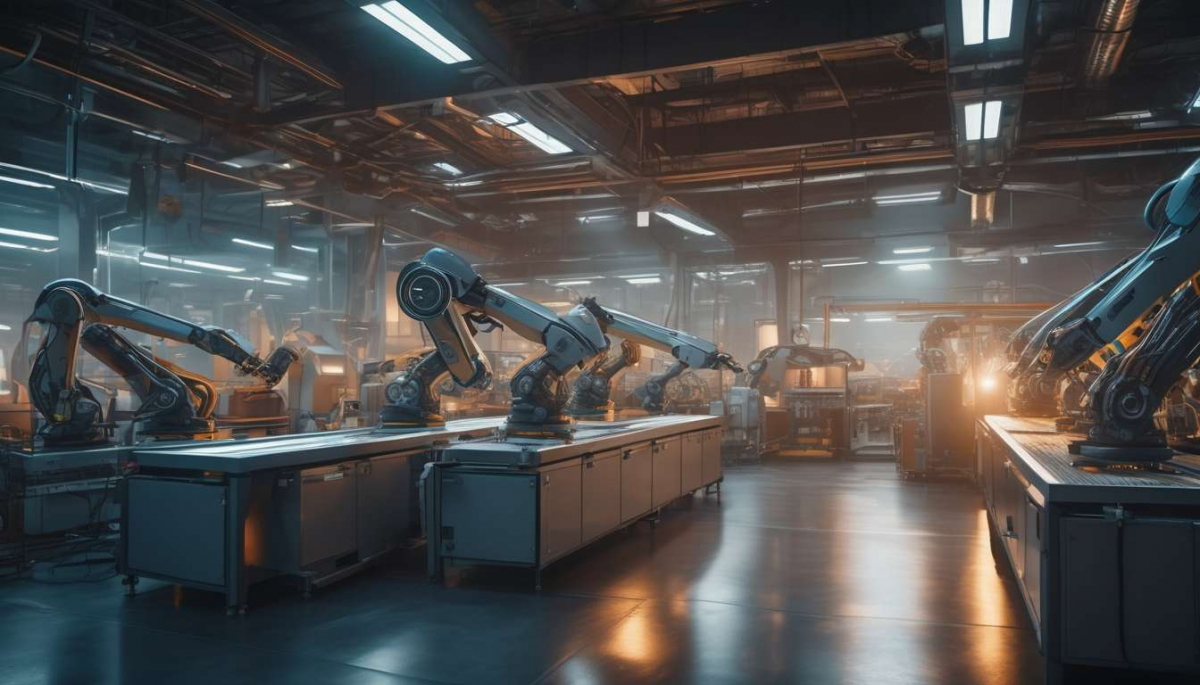
A few years ago, the facility was plagued by:
- Manual processes
- Outdated equipment
These issues resulted in production delays and inefficiencies.
The decision to transition into a smart factory sparked a remarkable turnaround. By integrating advanced technologies such as:
- Internet of Things (IoT)
- Artificial Intelligence (AI)
- Robotics
The plant not only improved its productivity and reduced downtime but also optimized energy consumption and enhanced product quality.
This scenario underscores the transformative impact possible when traditional manufacturing environments embrace digital transformation. As more industries recognize the competitive advantage of integrating smart technologies, the rise of smart factories is becoming increasingly significant across global markets.
These digitally-driven facilities represent the future of manufacturing, driving innovation, efficiency, and sustainability in an ever-evolving industrial landscape. Understanding the transition is pivotal for future growth and competitiveness.
Atlas Copco ITBA played a crucial role in this transformation by providing cutting-edge solutions and expertise to revolutionize the plant’s operations.
The Role of IoT in Smart Factories
The Internet of Things (IoT) revolutionizes smart factories by enabling seamless connectivity between machines, devices, and systems. In this interconnected environment, IoT serves as the backbone, facilitating real-time data exchange and enhancing communication across the production floor.
This interconnectedness fosters a collaborative atmosphere, where IoT, AI, and robotics work in unison to streamline operations and optimize manufacturing processes.
Key Functions of IoT in Smart Factories:
- IoT devices collect vast amounts of data.
- When integrated with AI, they provide valuable insights that drive informed decision-making.
Benefits of IoT and AI Integration:
- Empower factories to anticipate maintenance needs.
- Reduce downtime.
- Enhance overall efficiency.
Robotics in Smart Factories:
- Guided by IoT and AI data, perform tasks with precision and consistency.
- Minimize human error.
- Ensure high-quality output.
The role of IoT in smart factories extends beyond mere connectivity; it establishes a dynamic and adaptive manufacturing ecosystem. This transformation not only bolsters productivity but also fosters a sense of community among stakeholders, aligning them with shared goals of innovation and growth.
Leveraging AI for Efficiency
Harnessing advanced algorithms and machine learning models significantly boosts productivity and operational efficiency in smart factories.
The integration of Artificial Intelligence (AI) into manufacturing processes enables:
- Real-time data analysis
- Informed decision-making
- Predictive maintenance
AI, when combined with the Internet of Things (IoT) and robotics, creates a collaborative ecosystem that enhances the precision and effectiveness of production lines. This synergy results in:
- Reduced downtime
- Optimized resource allocation
- Increased output
- Cost savings
The deployment of AI technologies in smart factories also supports quality control by identifying defects and ensuring adherence to standards.
IoT devices gather vast amounts of data, which AI processes to detect patterns and anomalies that human operators might overlook. This capability facilitates:
- Continuous improvement in product quality
- Enhanced operational processes
Moreover, AI-driven systems adapt to changes in demand and supply chain fluctuations, providing resilience and flexibility in manufacturing environments.
Consequently, AI plays a pivotal role in transforming traditional factories into intelligent, adaptive production hubs.
Robotics Integration in Manufacturing
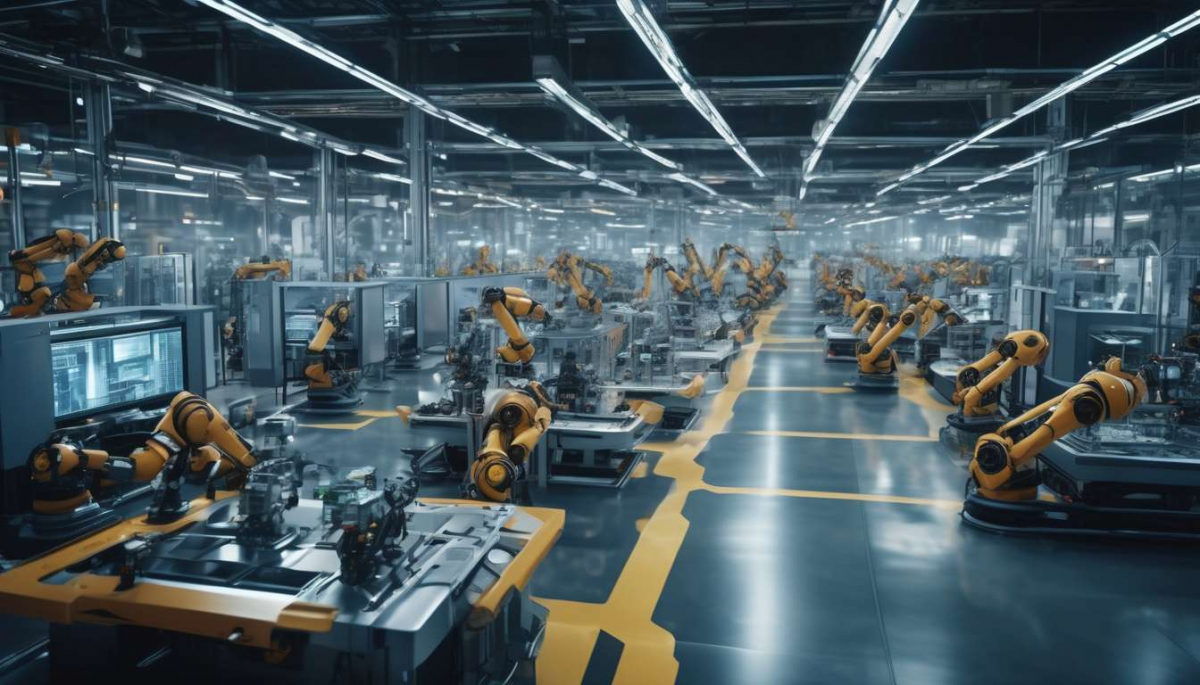
Incorporating robotics into manufacturing processes revolutionizes production efficiency and precision by automating repetitive tasks. This integration not only enhances productivity but also fosters a culture of innovation and progress within the manufacturing community.
Connectivity through the Internet of Things (IoT) enables seamless communication between machinery. This allows for:
- Real-time data exchange
- Adaptive operations
Robotics, integrated with IoT, facilitates:
- Enhanced monitoring
- Predictive maintenance
These improvements help reduce downtime and extend equipment lifespan.
Artificial Intelligence (AI) further complements robotics by providing machines with the capability to learn and adapt. AI algorithms analyze data collected through IoT networks to:
- Optimize operations
- Identify potential improvements
By leveraging AI, robotics systems can autonomously adjust to variations in production demands, ensuring quality and efficiency.
This intelligent integration supports a dynamic manufacturing environment where collaboration between human expertise and machine intelligence drives continuous improvement.
Through the strategic application of robotics, AI, and IoT, manufacturing facilities can position themselves at the forefront of technological advancement.
Benefits of Smart Factory Technology
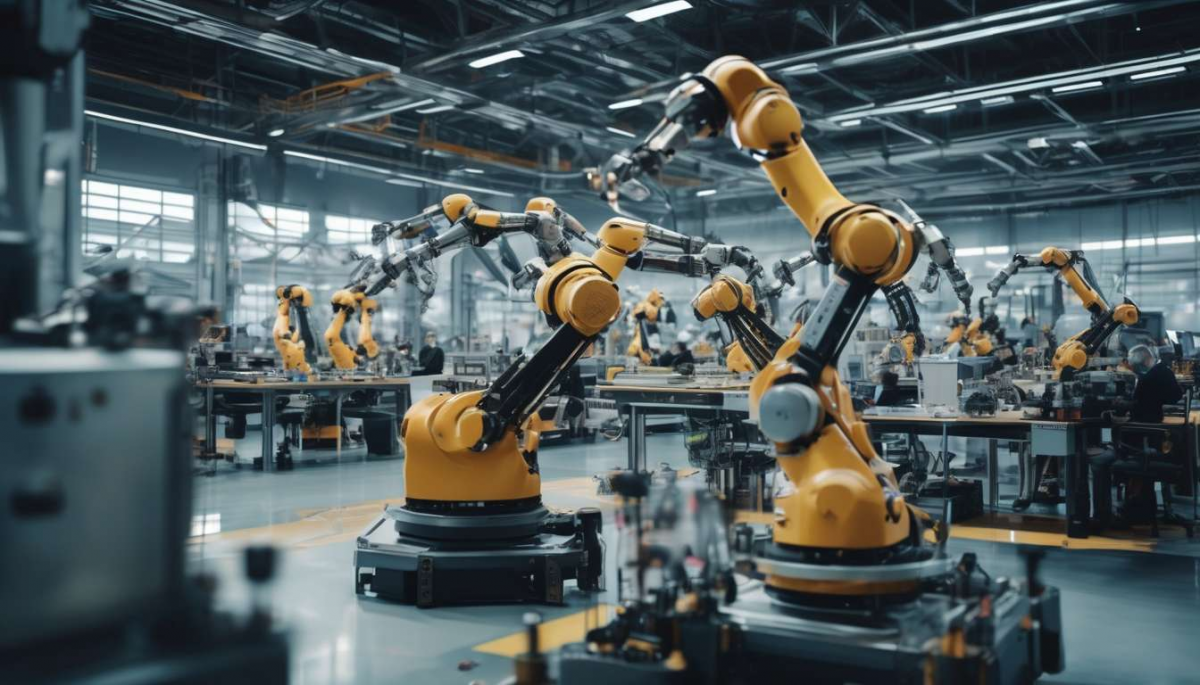
Smart factory technology significantly boosts efficiency and productivity by optimizing resource management and streamlining operations. Integrating IoT, AI, and robotics enhances real-time data collection and analysis, allowing for informed decision-making and proactive maintenance.
This technological synergy:
- Minimizes downtime
- Maximizes production output
- Creates a seamless workflow that can adapt to changing demands
IoT devices ensure continuous monitoring of machinery and equipment, providing valuable insights into performance metrics and potential areas for improvement.
AI-driven analytics further refine these insights by enabling:
- Predictive maintenance
- Reduction of unexpected breakdowns
Robotics, as part of the smart factory ecosystem, plays a crucial role in automating repetitive tasks. This automation:
- Frees human workers to focus on complex and creative problem-solving
- Encourages a cohesive work environment
This collaboration between human and machine fosters innovation and continuous improvement.
Embracing smart factory technology not only enhances operational efficiency but also positions businesses as part of a forward-thinking community committed to sustainable and intelligent manufacturing practices.
Digital Transformation in Production
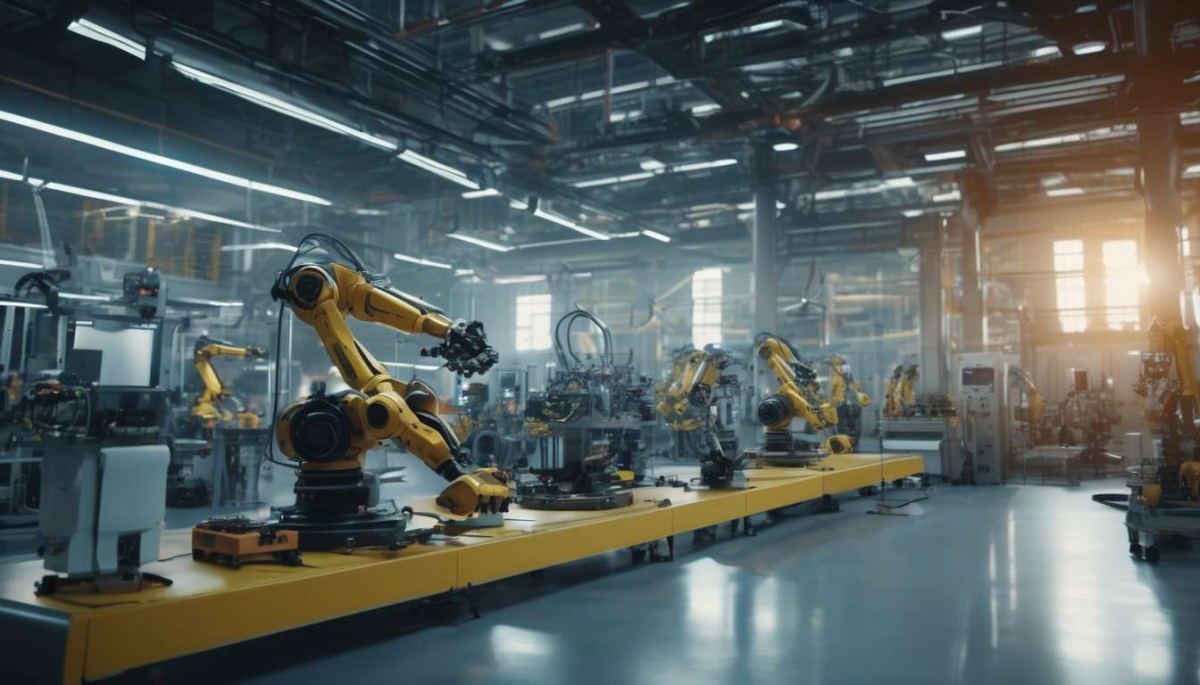
Digital transformation in production revolutionizes manufacturing processes by integrating advanced technologies and data-driven strategies. Through the implementation of IoT, AI, and robotics, production lines become more efficient and adaptable, fostering an environment of innovation and collaboration within the industry.
IoT facilitates real-time data collection and monitoring, enabling manufacturers to:
- Optimize operations
- Reduce downtime
AI algorithms analyze this data to:
- Predict maintenance needs
- Improve decision-making processes
This ensures seamless production flows and enhanced product quality.
Robotics further elevates production capabilities by:
- Automating repetitive tasks
- Increasing precision
- Freeing human resources to focus on strategic functions
This synergy of technologies not only accelerates production rates but also ensures a higher level of customization, meeting consumer demands for personalized products.
The adoption of these technologies cultivates a sense of belonging among industry participants, as they collectively advance toward a more connected and intelligent manufacturing landscape.
The transformation paves the way for a sustainable and competitive industrial future.
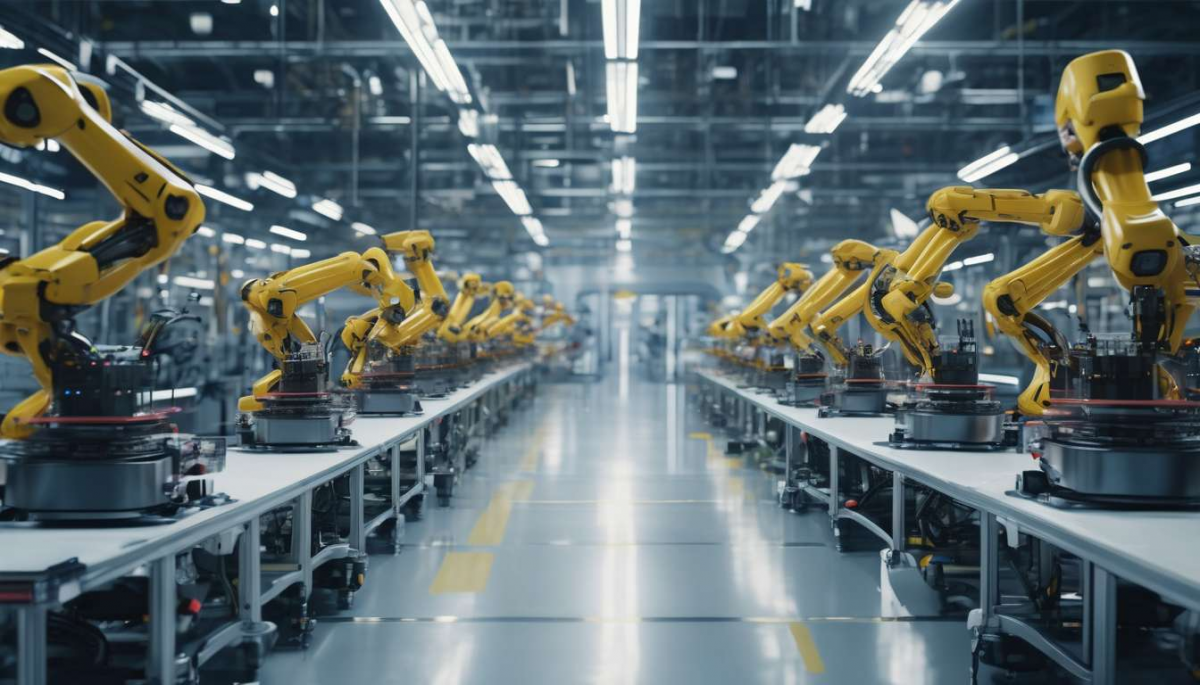
Future Outlook for Smart Factories
Smart factories will continuously evolve by integrating emerging technologies, driving innovation and efficiency in manufacturing.
The Internet of Things (IoT) will enhance connectivity, enabling seamless communication between devices and systems. This interconnected environment will facilitate real-time data analysis, informing strategic decisions and optimizing production processes.
Artificial Intelligence (AI) will play a pivotal role in:
- Predictive maintenance
- Quality control
This will reduce downtime and ensure superior product standards.
Robotics will advance automation capabilities by:
- Increasing precision and speed in assembly lines
- Allowing human workers to focus on complex problem-solving tasks
The future of smart factories promises a collaborative ecosystem where technology and the workforce coexist harmoniously. As industries embrace these innovations, a sense of collective advancement and belonging will emerge, guided by the shared goal of enhancing productivity and sustainability.
The integration of IoT, AI, and robotics not only addresses current manufacturing challenges but also paves the way for future opportunities, ensuring that smart factories remain at the forefront of industrial evolution.